
Youth sports sponsorship gives you a focused way to reach families who spend substantial time in specific communities. By partnering with apps such as GameChanger, you can connect your real estate brand with team schedules, game updates, and local sports activity.
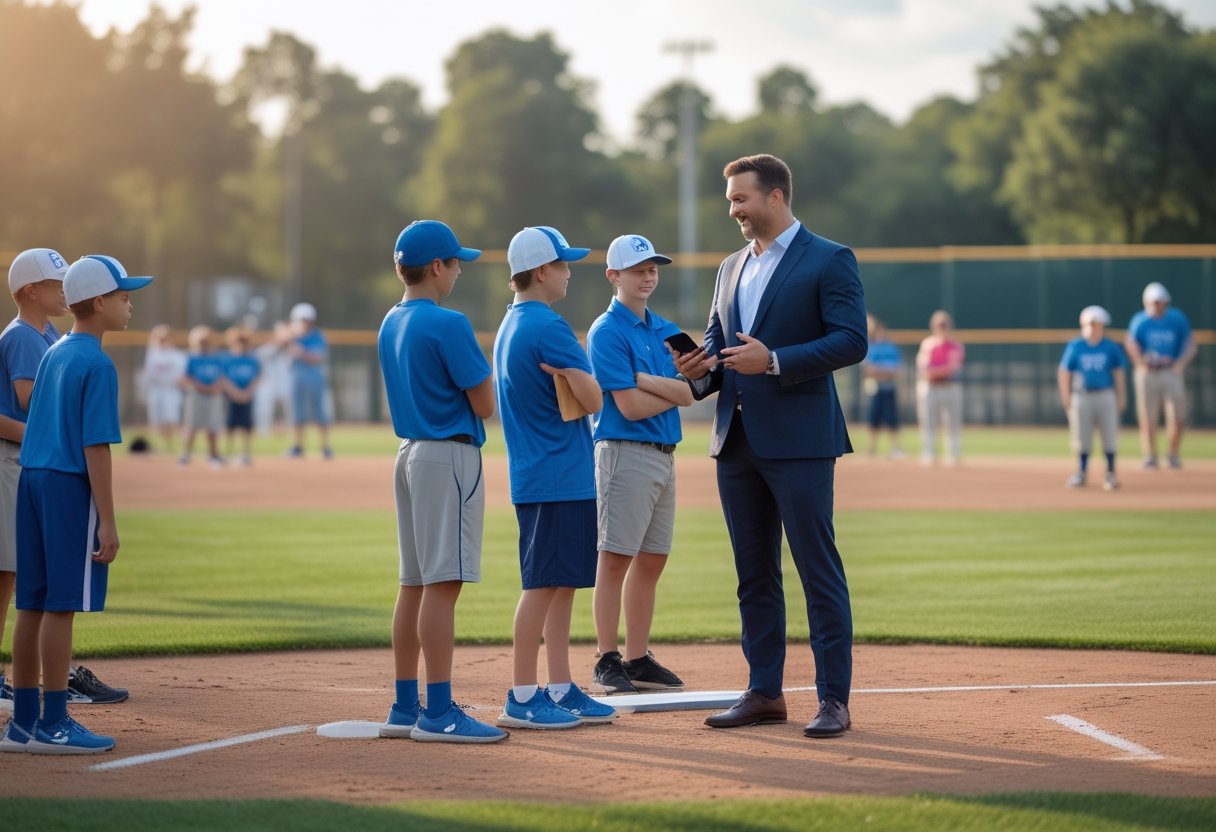
You can target high-net-worth parent homeowners more precisely by aligning app-based sponsorships with youth sports teams, carefully selected ZIP codes, and measurable local campaigns. This approach helps you treat the youth sports market as a neighborhood marketing channel rather than a broad advertising audience.
You will learn how to select ZIP codes, structure sponsorships, activate campaigns, and measure results. The strategy also shows how you can scale successful partnerships without losing the local relevance that makes youth sports sponsorship effective.
Building A Zip-Code Sponsorship Strategy Around Youth Sports Apps
A strong strategy connects youth sports audiences with specific neighborhoods, property values, and buying signals without treating every parent as a qualified lead. You need to match the right sport, app inventory, sponsorship format, and geographic target while respecting platform rules and family privacy.
Why Youth Sports Audiences Appeal To Real Estate Agents
Youth sports give you repeated exposure to parents who organize transportation, registrations, equipment, meals, and housing decisions. A local agent can build recognition through team sponsorships, tournament support, field signage, email placements, or in-app messages tied to a clearly defined service area.
The audience also provides useful context. A high school football program in an affluent suburb may include homeowners, move-up buyers, sellers, and parents researching larger homes near strong school districts. That does not guarantee high-net-worth prospects, so you should treat participation as an audience signal rather than proof of income or intent.
Your offer should fit the setting. Examples include a relocation guide for a specific ZIP code, a home-maintenance checklist, a market update for a school district, or funding for uniforms and equipment. Avoid presenting sponsorship as an endorsement by the team or implying that player families receive special treatment.
How GameChanger, TeamSnap, And SportsEngine Reach Parents
Youth sports apps organize schedules, rosters, scores, registration details, chat, payments, and team communications. GameChanger focuses heavily on scorekeeping, live updates, team pages, and game-related engagement, while TeamSnap and SportsEngine support broader team and league administration.
Your available placement depends on the platform, league, account type, and partnership agreement. Potential inventory can include banner placements, sponsored content, registration pages, team emails, event signage, or promotional offers, but you must confirm what the operator actually sells.
Do not assume an app lets you target individual households by wealth, homeownership, or child identity. Ask for its media kit, audience definitions, geographic capabilities, impression estimates, ad-review process, and reporting options. A direct league partnership may provide more credible local visibility than a broad youth sports business package with limited ZIP-code control.
Choosing Sports, Teams, And Zip Codes With Homebuyer Potential
Start with a practical target list rather than choosing ZIP codes only by reputation. Compare median sale price, turnover, inventory, school-district boundaries, your past transactions, commute patterns, and the location of teams or tournaments. Public property and market data can help you evaluate an area without requesting sensitive family information.
Then rank sports by audience fit and schedule density. High school football may offer substantial local visibility, while baseball, soccer, basketball, and travel sports can create repeated contact across longer seasons. Consider whether parents attend games in the target ZIP code or simply use a venue there.
Use a simple scoring model:
| Factor | Question |
|---|---|
| Geography | Does the program overlap your farm area? |
| Buyer fit | Do local prices match your specialization? |
| Frequency | Will families see your message repeatedly? |
| Access | Can you buy compliant, measurable inventory? |
| Conversion | Can you connect the offer to a landing page or consultation? |
Navigating Paywalls, Privacy, And Platform Inventory
A paywall can limit access to scores, video, schedules, or premium features, but it does not automatically create advertising access. You need written confirmation about where an ad appears, who controls the placement, whether users must subscribe, and whether the platform permits real estate promotions directed at parents.
Treat youth data as sensitive. Do not seek player names, children’s ages, household income, browsing histories, or precise home locations for individual targeting. Use approved geographic segments, contextual placements, aggregated reporting, and an opt-in form that clearly explains what information you collect.
Before signing, verify inventory, term length, cancellation rules, creative specifications, brand-safety procedures, and reporting. Require metrics such as impressions, clicks, landing-page visits, inquiries, and cost per qualified appointment rather than relying on vague claims about community reach. Keep records of consent and avoid collecting more data than your follow-up process needs.
Activating, Measuring, And Scaling Local Campaigns
You can turn local youth sports sponsorships into measurable real estate campaigns by matching offers to parent needs, combining app placements with physical visibility, and tracking every inquiry by ZIP code. Clear consent practices, unique landing pages, and consistent reporting help you scale what produces qualified conversations.
Creating Offers That Convert Sports Parents Into Real Estate Leads
Build the offer around a practical family need rather than a generic home valuation. Examples include a free relocation consultation, a neighborhood equity review, or a guide to homes near selected schools, parks, and sports facilities.
Use a dedicated landing page for each ZIP code, team, or league. Include a short form, phone number, service area, privacy notice, and one clear call to action. A QR code in your GameChanger sponsorship, email placement, or team message can direct parents to the correct page.
Avoid implying that you know a parent’s financial status or homeownership details. Instead, use broad geographic targeting and let the visitor identify their interest. Add a calendar link for consultations and connect submissions to your CRM with campaign tags such as GC_90210_SPRING26.
Pairing App Sponsorships With Sports Facilities And Events
An app sponsorship gains more value when you repeat the message at locations where families already spend time. Coordinate with sports facilities, tournament organizers, and league administrators to place branded banners, check-in signage, concession materials, and QR codes near high-traffic areas.
Keep the creative consistent across GameChanger, facility screens, printed schedules, and event emails. One message, such as “See what your move could buy near your child’s next field,” makes the campaign easier to recognize and measure.
Confirm inventory, exclusivity, audience permissions, and usage rights before launch. You should also separate paid sponsorship from team communications and avoid collecting children’s personal information. Local youth sports sponsors can share event costs, but you need written rules for logo placement, lead ownership, and follow-up.
Using Streaming And Video To Extend Local Visibility
Youth sports streaming can extend your reach beyond spectators, especially when relatives and team supporters watch games remotely. Ask the platform or league what ad formats it supports, including pre-roll, mid-roll, display placements, sponsored scoreboards, or replay branding.
Keep each video short and geographically specific. A 15-second spot can identify your service area, explain one useful offer, and show a simple URL or QR code. Do not use children’s images or game footage without documented permission from the rights holder.
You can also repurpose approved footage into market updates, facility guides, and neighborhood videos. Platforms and organizations such as Hudl may provide different video and distribution options, so review audience data and rights before committing. Treat sports streaming as an extension of your local media plan, not as a substitute for lead tracking.
Tracking Leads, Brand Lift, And Return On Sponsorship
Measure performance at the ZIP-code, team, facility, and placement levels. Use unique URLs, QR codes, phone numbers, promo codes, and CRM campaign fields so you can identify where each inquiry originated.
Track more than raw lead volume. Useful measures include:
- Landing-page visits and form completion rate
- Calls, booked consultations, and qualified opportunities
- Cost per lead and cost per appointment
- Email engagement and repeat visits
- Listing presentations and closed transactions
- Brand-awareness changes from pre- and post-campaign surveys
Define attribution before launch. A parent who sees your streaming ad, visits your website later, and calls directly should not disappear from the report. Review results monthly, compare them with other marketing channels, and renew placements that produce qualified activity rather than impressions alone.
Working With National Brands And Local Youth Sports Sponsors
National brands such as Nike and Gatorade often have larger budgets and established sponsorship requirements, while local agents can contribute neighborhood knowledge and service. You can create value by coordinating a campaign that gives each participant a defined role.
For example, a tournament could combine facility branding, a hydration station, youth sports streaming inventory, and a real estate guide for nearby neighborhoods. Put all responsibilities in writing, including creative approval, event dates, audience data, insurance, disclosures, and lead routing.
Monitor industry discussions through outlets such as Youth Sports Business Report and compare proposals against your own campaign playbook. Before scaling, confirm that the partnership reaches the families and ZIP codes you serve rather than paying for broad exposure with no practical connection to your market.